
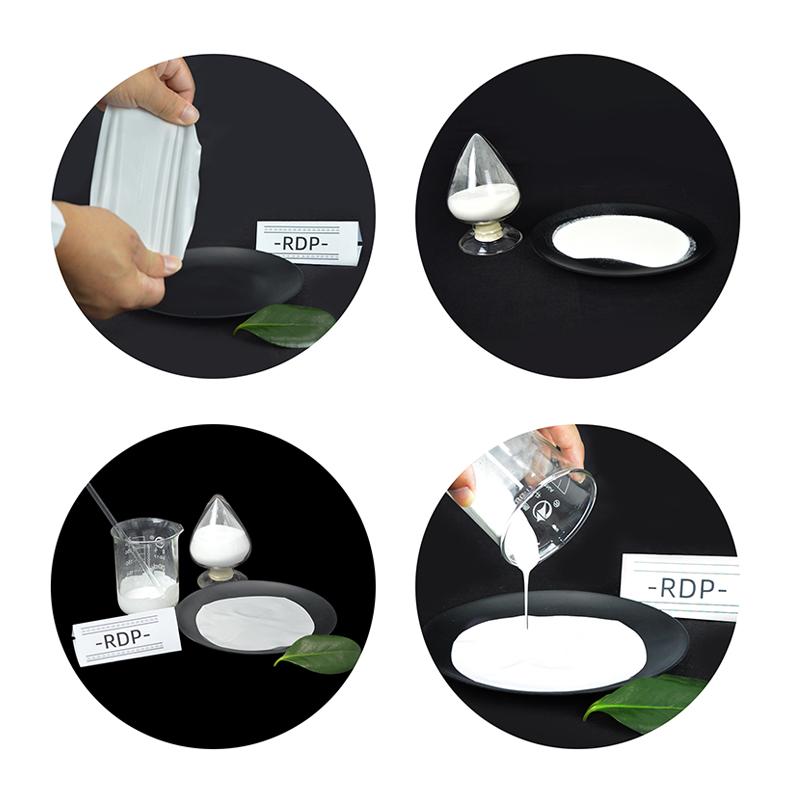
Products Description
Various Viscosity HPMC for Mortar Coating
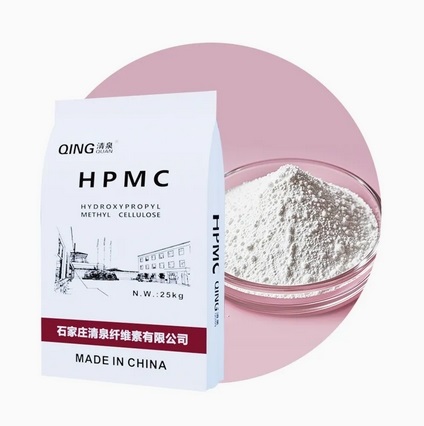
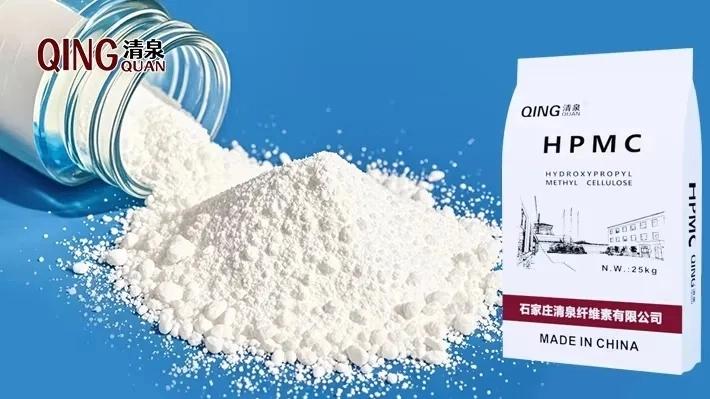
QingQuan Cellulose supplies HPMC in a range of viscosity grades tailored for mortar additive and coating applications. Whether you need low viscosity for self‑leveling compounds or high viscosity for thick‑bed mortars, we have the right solution. Our HPMC improves adhesion, water retention, and sag resistance, helping you achieve optimal workability and coating performance.
Basic Information
Model NO.: Y-23
Function: Thickening Agent
Grade: Industrial Grade
Solubility: Soluble in Water
Viscosity: Recommended according to application
MOQ: 1000 kg
Purity: 99.99%
Other Names: HEMC
Advantages: High Water Retention
Usage: Construction Material
Transport Package: Waterproof Packing
Origin: China, Hebei
Trademark: QingQuan
Production Capacity: 100,000 kg
HS Code: 3912390000
Specification: 25 kg/bag
Packaging & Delivery
Package Size: 110.00cm × 110.00cm × 120.00cm
Package Gross Weight: 1020.000 kg
Product Description
What is HPMC?
Hydroxypropyl Methylcellulose (HPMC) is a nonionic cellulose alkyl hydroxyalkyl mixed ether. It is produced from cellulose through alkalization, etherification, neutralization, and washing processes.
Hydroxypropyl Methyl Cellulose Ether
As a nonionic cellulose mixed ether with excellent performance, HPMC has good dispersing, emulsifying, thickening, bonding, water retention, and glue retention properties – similar to other cellulose ethers such as CMC, MC, HEC, MHEC, HEMC, and HBMC. It dissolves in water and is also soluble in ethanol and acetone below 70°C. HPMC can be widely used as a thickener and adhesive. Thanks to its thickening, dispersing, emulsifying, and film‑forming abilities, it is used in petrochemicals, building materials, ceramics, textiles, daily chemicals, synthetic resins, coatings, electronics, and other industrial fields.
Chemical Formula
HPMC is a partially methylated and partially polyhydroxypropylated ether of cellulose. It is produced by first alkalizing cellulose, then reacting it with two etherifying agents: chloromethane and propylene oxide.
Product Classification
QingQuan offers several HPMC grades with different specifications (based on MK/75HPMC as reference).
ME (60HPMC)
Methoxy content: 28.0-30.0%
Hydroxypropyloxy content: 7.5-12.0%
Gel temperature: 58.0-64.0°C
MF (65HPMC)
Methoxy content: 27.0-30.0%
Hydroxypropyloxy content: 4.0-7.5%
Gel temperature: 62.0-68.0°C
MJ (70HPMC)
Methoxy content: 16.5-20.0%
Hydroxypropyloxy content: 23.0-32.0%
Gel temperature: 68.0-75.0°C
MK (75HPMC)
Methoxy content: 19.0-24.0%
Hydroxypropyloxy content: 4.0-12.0%
Gel temperature: 70.0-90.0°C
Common Specifications for All Grades
Ash: ≤1.0%
Moisture: ≤5.0%
pH value: 4.0-8.5
Viscosity (2% solution, 20°C): (ND-J) 10000-200000 mPa·s
Appearance: White powder
Surface tension (CCL4): 10 × 10⁻³ N/M²
HPMC in Cement Mortar
HPMC plays many important roles in construction materials. It can be added to masonry mortar, plastering mortar, stucco, and plastering paste. Even a small amount brings major improvements. In cement‑based and gypsum‑based plasters, HPMC's water retention leads to higher bond strength and better hardness after curing.
High water retention allows cement to fully hydrate. This significantly increases bond strength, improves the tensile and shear strength of hardened mortar, and enhances workability and lubricity. Construction becomes easier and more efficient.
When using cement mortar, good water retention is critical. Bricks and walls absorb water quickly, and mortar often contains a high proportion of sand. Without proper water retention, bricks pull water out of the mortar too fast, causing partial water loss and incomplete cement hydration. Mortar made with sand, lime, and cement has naturally low bond strength, but adding cellulose ether dramatically improves it. Even under heavy load or horizontal stress, bond strength remains high.
Application Areas
Water‑Resistant Putty
In water‑resistant putty, cellulose ether retains water, improves adhesion, and adds lubricity. It prevents cracking or powdering caused by rapid water loss. It also reduces sagging during application, making construction smoother, less labor‑intensive, and more controllable.
Plastering
In gypsum‑based products, cellulose ether provides water retention, thickening, and lubrication. It also has a slight retarding effect, which solves bulging and cracking problems during construction. It prevents issues where initial strength fails to develop and extends working time.
Interfacial Agents
HPMC acts mainly as a thickener. It improves tensile and shear bonding strength, enhances surface coating, and increases adhesion.
Tile Adhesives
HPMC has strong water retention. During installation, tiles do not need to be soaked or pre‑wetted. Bonding strength improves significantly. The slurry is fine and uniform, allowing long working periods and convenient application.
Slurry Spraying
Spray slurry containing cellulose is suitable for protective work on interior and exterior walls, roofs, floors, and tunnels. Cellulose creates a combing effect within the spray material, increasing cohesion and adhesion. This effectively overcomes cracking problems and improves the impermeability and durability of the sprayed layer.
Daily‑Use Chemicals
HPMC is commonly used in cosmetics, shampoos, shower gels, and other daily chemicals. It has good thickening properties, forming a colloid by combining with water molecules. HPMC increases product consistency, making it easier to apply and use. It also has excellent moisturizing properties, absorbing and retaining water molecules.
Caulking
Adding HPMC provides good edge bonding, low shrinkage, and high abrasion resistance. It protects the base material from mechanical damage and avoids the negative effects of water penetration on the building.
Self‑Leveling Cement Mortar
Low viscosity HPMC can be added to self‑leveling cement mortar. It improves fluidity, increases construction efficiency, and gives high surface strength after drying with low shrinkage.
Latex Paints
In the paint industry, HPMC serves as a film‑forming agent, thickener, emulsifier, and stabilizer. It gives paint films better abrasion resistance, uniformity, and adhesion, while also improving surface tension and pH stability.
Gypsum Decorative Materials
Gypsum products are lightweight, heat‑insulating, fire‑resistant, and help regulate indoor temperature. Adding HPMC allows gypsum to fully hydrate, ensures sufficient bonding force, and prevents cracks.
Ceramic Heat Storage Materials
Adding cellulose ether to new ceramic heat storage materials improves lubricity and moisture retention during mold manufacturing. It makes parts less prone to deformation and increases strength.
Oil Drilling Fluids
Cellulose ether works as a gel polymer, fluid loss preventer, and friction reducer to improve oil recovery. It helps mud form a stable suspension. Using HPMC in oil drilling enhances mud performance, increases drilling efficiency, and reduces environmental pollution.
Factory Profile
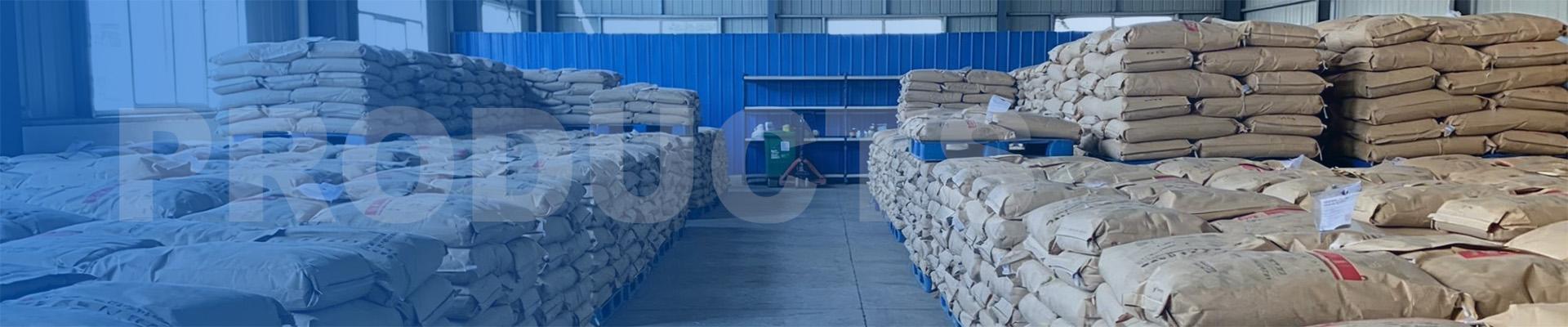
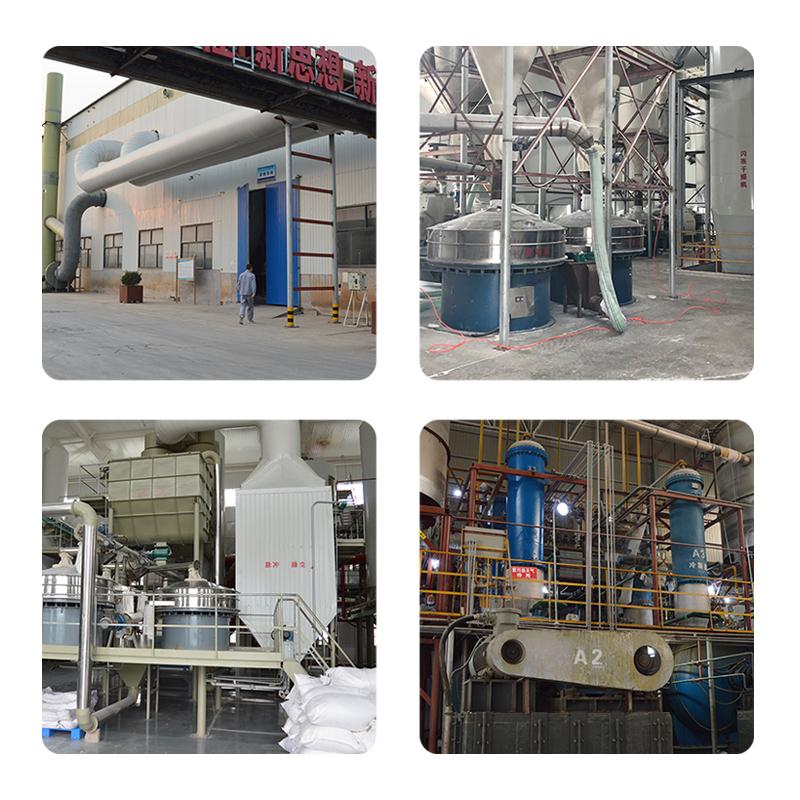
Shijiazhuang Qingquan Cellulose Co., Ltd. is a high‑tech enterprise integrating scientific research, production, sales, and technical service. Our factory has advanced production equipment and uses advanced German production technology. We have strong technical capabilities and a strict manufacturing process. Our product quality meets all relevant standards.
Our products have a large share of the domestic market and are exported to Europe, the United States, the Middle East, Southeast Asia, and other regions. We have established long‑term friendly cooperation with customers worldwide.
Capital: $18 million
Factory Area: 120 acres
Employees: 220+ (including 50 technical staff)
Equipment: Complete experimental facilities to ensure material quality
Customization: We can produce different types and specifications of cellulose products based on customer requirements
Our leading cellulose products are widely used in the chemical industry, building materials, coatings, daily chemicals, and other industries, selling well both in China and abroad.
Logistics
Shipping costs depend on the shipping method you choose. Express shipping is the fastest but also the most expensive. Sea freight is the best solution for large quantities. We can only give you an exact shipping cost once we know the quantity, weight, and method. Please contact our sales team for more information.
FAQ
What are your prices?
Our prices may vary due to availability and other market factors. We will send you an updated price list after you contact us.
Can you provide documentation?
Yes, we can provide most documents, including certificates of analysis, conformity certificates, and other required export documents. We also offer complete after‑sales service to ensure you are satisfied with our products.
How is shipping cost calculated?
Shipping cost depends on the pickup method you choose. Express shipping is fastest but most expensive. Sea freight is best for large volumes. We can only give you the exact cost once we know the quantity, weight, and shipping details. Please contact our sales team.
I would like to know more details about the product.
Please contact our sales team for one‑on‑one answers.