
Views: 0 Author: Site Editor Publish Time: 2025-07-03 Origin: Site


Methyl hydroxyethyl cellulose is also known as MHEC. It is a non-ionic cellulose ether. MHEC cellulose can extend the setting time of cement mortars. It increases bonding and tensile strength by ensuring cement is fully hydrated.
QingQuanchem is one of the professional methyl hydroxyethyl cellulose manufacturers in China. Our MHEC powders offer remarkable water retention, thickening and workability.
1. Thickening agent
hydroxyethyl methyl celllose is used as a thickening agent in cosmetics such as shampoos and conditioners, as it forms a ilm on the hair strands. This filmmakes the hair look smooth and shiny. in addition, the material covers the hair strands to protect them from water damage. Because it is water soluble.hydroxy ethyl methyl cellulose does not build up on the hair strands after repeated use of products containing it.

2. Binding agent
hvdroxyethy methyl celulose is an excellent adhesive or binder as it forms a gel when mixed with water. This substance is commonly used in themanufacture of pills and capsules as it binds the diferent pill components together to form a homogeneous pill that is easy to swalow.
3.Medicine
You may have taken hydroxy ethyl methyl celulose without knowing it because this substance has been used for decades in the manufacture of medicalproducts. lt is used as an excipient (in the sense that the active drug contains one that binds al the ingredients together. in addition, methyhydroxyethylcellulose is used to wrap pills and help slow their release into the body.
4.Dispersant
When mixed with other chemicals, this compound acts as a dispersant as it absorbs water to fom a gel while keping the ingredients in suspension. Thisalows itto be used in a vaniely of aplications,incuding household products such as aundry deteraents, foodstuits such as whipped cream, cosmetics suchas toothpaste, and medicines such as cough syrup or eye drops
5.Concrete mixtures
Concrete mixtures using hydroxy ethyl methyl cellulose are often used for their smoothness and strength. Methylcellulose is used to cover the inner surfacesof concrete pipes so that they have a uniform thickness and thus reduce wear over time. This method also produces crack-resistant ines when exposed towater, heat, or other harsh conditions.
6. Paper
MHEC has gained wide acceptance in the paper industry due to the compound's low toxicity and its ability to improve paper properties while reducingproduction costs. it is used as a dry strength agent in paper production to improve tensile strength without increasing grammage; due to its goodproperties as a dispersant, it can also be used as a pigment binder in paper coatings and as a water retention agent in paper.
7. Soil stabilisers
hydroxyethyl methyi cellulose (MHEC) is used as a soil stabilizer to improve crop yields on marginal land and in areas where irigation is dificult. it can bemixed with water and applied to the soi to improve water retention during dry periods or when rainfal is scarce, When blended into fertilizer formulationsMHEC allows plants to retain available nutrients for longer periods of time than untreated fertilizers.
8.Humectants and surfactants
hydroxyethyl methyi cellulose (MHEC) is also used as a humectant and surfactant in cosmetics, baby lotions, shampoos, and bath oils. A surfactant is awetting agent that reduces the surface tension of a liquid and allows it to disperse on the surface. it can be used as an emulsifier to keep water-based andoil-based ingredients mixed in cosmetics.
9.Paints and coatings
hydroxy ethyl methyl cellulose, also known as MHEC and methyl celulose, is a thickening agent used in paints and coatings. This compound helps toprevent paint from sagging and dripping when drying. This combination also helps to provide extra adhesion to the colour, making it usetul in theconstrucion of buildings, MHEc is often used as a thikener in decrative paints, Decorative paints are not as strong as structural paints, so they need athickener to help them adhere to walls and other surfaces without breaking or faking. MHEC provides water resistance to decorative paints, making it moredificult for walls to be damaged by exposure to water. it also helps to make it easier to clean the paint that has been applied.

10.Herbicide
Some farmers use hydroxy ethyl methyl cellulose as a herbicide. When mixed with water and sprinkled on certain plants, it can help to stop growth or kil theplant altogether. This gel-like substance helps the herbicide to stay in place and not be washed away by water or carried away by the wind.
11. Food production
Because of its abilitly to stablize products, hydroxy ethyl methyl celulose is often used as an ingredient in the production of commerial ice cream. it canreplace gelatine and vegetable qums, such as quar gum and acacia bean qum. This compound is also added to baked goods, salad dressings, and saladgums. it helps to prevent sugar crystallisation and extends the shelf life of foods by controling moisture content.
12. Cement
hydroxy ethyl methy cellulose helps to improve the efficiency of cement by extending water retention and hydration reactions. This helps to reduce theamount of cement water required during construction projects,ultimately reducing costs. The compound can also be added to concrete mixes to improvetheir structural properties such as flexural, compressive and tensile strengths, hydroxy Ethyl Methyl Celllose's good thixotropy and ease of incorporationgive the mortar pumpability.lt also improves the resistance to sagging and high water retention, extending the workable time of the mortar and helping itto develop high mechanical strength during the setting period.
13. oil drilling
hydroxyethyl methyi cellulose (MHEC) is also used in oil diling operations to thicken fuids used in the exploration proces. This helps to ensure that fuids can bepumped through the pipeline without dripping or spiling, which would reduce the efficiency of their intended function.
14. Cosmetics
hydroxy ethyl methy cellulose is found in many cosmetic products including hairsprays, shampoos, conditioners,toothpastes, and soaps. As with other usesof methylhydroxvethylcellulose, it is used to increase the viscosity of these products and make them easier to apply.
15.Gypsum plasters and plaster products:
hydroxyethyl methyi cellulose (MHEC) is used as a binder with thixotropic and retarding properties to improve spreadability and extend workability. Water retentionprevents the slurry from cracking after application due to rapid drying and increases the strength after hardening.
16. mortars
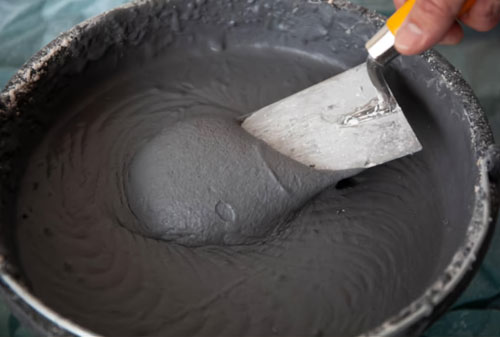
hydroxy ethyl methy cellulose improves the adhesion of masonry mortars to the masonry surface and enhances water retention, resulting in an increase inthe strength of the mortar. lmproves lubricity and plasticity thus improving construction performance.
17.Sheet caulking:
hydroxyethyl methyi cellulose (MHEC) has excelent water retention, ubricity,high shrinkage, and crack resistance, provides a smooth and homogeneous texture tothe material and enhances the adhesion of the joint surface.
Dissolution and application of hydroxy ethyl methyl celluloseTake 1/3 or 2/3 of the required amount of hot water and heat it to boling, add MHEC and get a hot water slury, then add the remaining amount of coldwater, keep stirring, and cool the mixture to get a dry mix.


