
Views: 0 Author: Site Editor Publish Time: 2025-06-27 Origin: Site


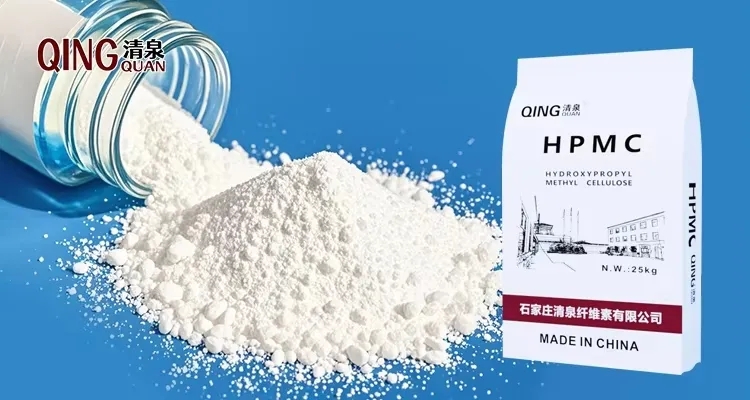
Choosing the appropriate viscosity of Hydroxypropyl Methyl Cellulose (HPMC) is crucial for achieving desired performance in various applications. The selection process involves considering specific requirements of the intended use, the properties of the HPMC, and the conditions under which it will be used. Here are key factors to consider when choosing the viscosity of HPMC:
Molecular weight: The higher the molecular weight, the higher the viscosity.
Degree of substitution: The number and type of substituent groups determine the polymer's solubility and viscosity.
Concentration in solution: The higher the concentration, the thicker the solution.

Understand the specific requirements of your application. Different applications, such as construction, pharmaceuticals, cosmetics, and coatings, may have distinct viscosity requirements.
The viscosity of HPMC significantly affects the consistency and workability of the solution or formulation. Higher viscosity may result in thicker, more viscous materials, while lower viscosity may offer more fluid-like consistency.
Consider the water retention requirements of your application. Higher viscosity HPMC typically provides better water retention capabilities, which is crucial in applications where extended workability is essential.
If your application involves vertical surfaces or overhead application, choosing HPMC with appropriate viscosity can help minimize sagging and ensure better adherence.
Thixotropic behavior, where viscosity decreases under shear stress, can be desirable in certain applications. This property aids in easy mixing, application, and leveling.
Evaluate the required setting time for your application. HPMC can influence the setting time of formulations. Some applications may benefit from a longer setting time for extended working periods.
Consider the temperature conditions under which the HPMC will be used. HPMC viscosity can be temperature-sensitive, and the chosen viscosity grade should be suitable for the expected temperature range.
If your formulation includes other additives, ensure that the chosen viscosity of HPMC is compatible with these additives to achieve the desired synergy in the final product.
Different viscosity grades of HPMC may have varying solubility characteristics. Choose a grade that dissolves easily and uniformly in your chosen solvent or dispersion medium.
Refer to the technical data sheets and guidelines provided by the HPMC manufacturer. Manufacturers typically offer information on the recommended viscosity grades for specific applications.
Conduct trials and testing with different viscosity grades to determine the one that best meets your specific needs. Small-scale trials can help assess the performance of different grades under actual working conditions.
Ensure that the chosen viscosity grade complies with relevant regulatory standards and industry specifications for your application.
Remember that HPMC is available in various viscosity grades, and each grade may exhibit specific characteristics. Consult with the HPMC manufacturer or supplier for guidance on selecting the most suitable viscosity grade based on your application requirements and desired performance attributes.


