
Products Description
HPMC for Cement Mortar & Dry Mix | Hydroxypropyl Methyl Cellulose
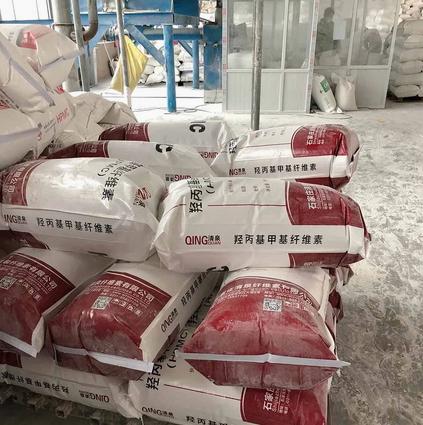
QingQuan Cellulose manufactures Hydroxypropyl Methyl Cellulose (HPMC), CAS 9004-65-3, for cement mortar and dry mix applications. Our HPMC improves water retention, makes mixing and application easier, and increases bond strength in cement-based materials.
What is HPMC?
Hydroxypropyl Methylcellulose (HPMC) is a nonionic cellulose alkyl hydroxyalkyl mixed ether. It's made from cellulose through alkalization, etherification, neutralization, and washing.
Key Properties
As a nonionic cellulose mixed ether with excellent performance, HPMC has good dispersing, emulsifying, thickening, bonding, water retention, and glue retention properties – just like other cellulose ethers such as CMC, MC, HEC, MHEC, HEMC, and HBMC.
It dissolves in water and also dissolves in ethanol and acetone below 70°C. You can use it widely as a thickener and adhesive.
Applications
Thanks to its thickening, dispersing, emulsifying, and film-forming abilities, HPMC is used in:
Petrochemicals
Building materials
Ceramics
Textiles
Daily chemicals
Synthetic resins
Coatings
Electronics
Chemical Formula
HPMC is a partially methylated and partially polyhydroxypropylated ether of cellulose. It's produced by first alkalizing cellulose, then reacting it with two etherifying agents: chloromethane and propylene oxide.
HPMC Grades from QingQuan
Here are the different HPMC grades we offer:
ME (60HPMC)
Methoxy content: 28.0-30.0%
Hydroxypropyloxy content: 7.5-12.0%
Gel temperature: 58.0-64.0°C
MF (65HPMC)
Methoxy content: 27.0-30.0%
Hydroxypropyloxy content: 4.0-7.5%
Gel temperature: 62.0-68.0°C
MJ (70HPMC)
Methoxy content: 16.5-20.0%
Hydroxypropyloxy content: 23.0-32.0%
Gel temperature: 68.0-75.0°C
MK (75HPMC)
Methoxy content: 19.0-24.0%
Hydroxypropyloxy content: 4.0-12.0%
Gel temperature: 70.0-90.0°C
All grades share:
Ash: ≤1.0%
Moisture: ≤5.0%
pH value: 4.0-8.5
Viscosity (2% solution, 20°C): (ND-J) 10000-200000 mPa·s
Appearance: White powder
Surface tension (CCL4): 10 × 10⁻³ N/M²
HPMC in Cement Mortar
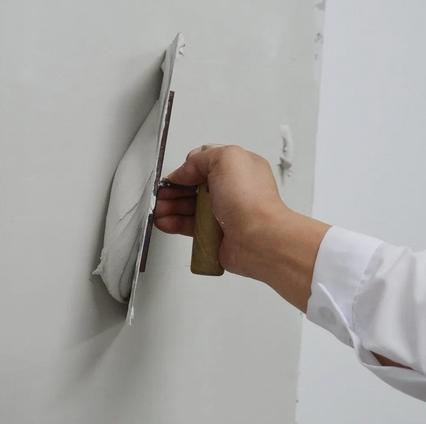
HPMC plays many roles in construction materials. You can add it to masonry mortar, plastering mortar, stucco, and plastering paste. Even a small amount makes a big difference. In cement and gypsum plasters, HPMC's water retention gives you higher bond strength and better hardness after curing.
Good water retention lets cement hydrate fully. That means stronger bonds, better tensile and shear strength in hardened mortar, and easier handling.
When you're working with cement mortar, you need good water retention. Bricks and walls soak up water quickly, and mortar usually has a lot of sand. Without enough water retention, bricks pull water out too fast. The mortar loses water in spots, and the cement doesn't hydrate fully. Mortar made with sand, lime, and cement has low natural bond strength. But add cellulose ether, and bond strength goes way up – even under heavy loads or sideways stress.
Applications
Water-Resistant Putty
In water-resistant putty, cellulose ether holds water, improves adhesion, and adds slip. It stops cracks and powdering from fast water loss. It also cuts down on sagging, so application is smoother, takes less effort, and gives you more control.
Plastering
In gypsum products, cellulose ether provides water retention, thickening, and lubrication. It also slows things down just a little, which stops bulging and cracking during application. It also keeps initial strength from failing and gives you longer working time.
Interfacial Agents
HPMC works mainly as a thickener here. It boosts tensile and shear bond strength, improves surface coating, and increases adhesion.
Tile Adhesives
HPMC holds water well. When you're putting up tiles, you don't need to soak or pre-wet them. Bond strength goes way up. The mix stays fine and uniform, so you can work longer and it's easier to apply.
Slurry Spraying
Spray slurry with cellulose works well for protecting interior and exterior walls, roofs, floors, and tunnels. Cellulose creates a kind of combing effect in the spray material. It increases cohesion and adhesion, stops cracking, and makes the sprayed layer more waterproof and durable.
Daily-Use Chemicals
You'll find HPMC in cosmetics, shampoos, shower gels, and other daily products. It thickens well, forming a colloid with water molecules. It makes products thicker and easier to apply. It also holds moisture, absorbing and retaining water.
Caulking
Adding HPMC gives good edge bonding, low shrinkage, and high wear resistance. It protects the base material from damage and stops water from soaking into the building.
Self-Leveling Cement Mortar
Use low viscosity HPMC in self-leveling cement mortar. It improves flow, speeds up application, and gives high surface strength after drying with low shrinkage.
Latex Paints
In paint, HPMC works as a film-former, thickener, emulsifier, and stabilizer. It gives paint films better wear resistance, uniformity, and adhesion. It also improves surface tension and keeps pH stable.
Gypsum Decorative Materials
Gypsum products are light, insulate heat, resist fire, and help control indoor temperature. Adding HPMC lets gypsum hydrate fully, ensures good bonding, and stops cracks.
Ceramic Heat Storage Materials
Adding cellulose ether to new ceramic heat storage materials improves lubricity and water retention during mold making. Parts come out less deformed and stronger.
Oil Drilling Fluids
Cellulose ether works as a gel polymer, fluid loss preventer, and friction reducer to help recover more oil. It helps mud form a stable suspension. Using HPMC in oil drilling improves mud performance, speeds up drilling, and cuts pollution.