
Products Description
PVA for Coating Adhesive | Good Solubility Grade - QingQuan Supplier
QingQuan Cellulose provides high-quality Polyvinyl Alcohol (PVA) characterized by its excellent solubility, making it an ideal raw material for coating adhesive production. This property allows for rapid and complete dissolution in aqueous systems, facilitating the formulation of stable and uniform coating adhesives with superior binding strength, flexibility, and water resistance for various industrial applications.
What is PVA?
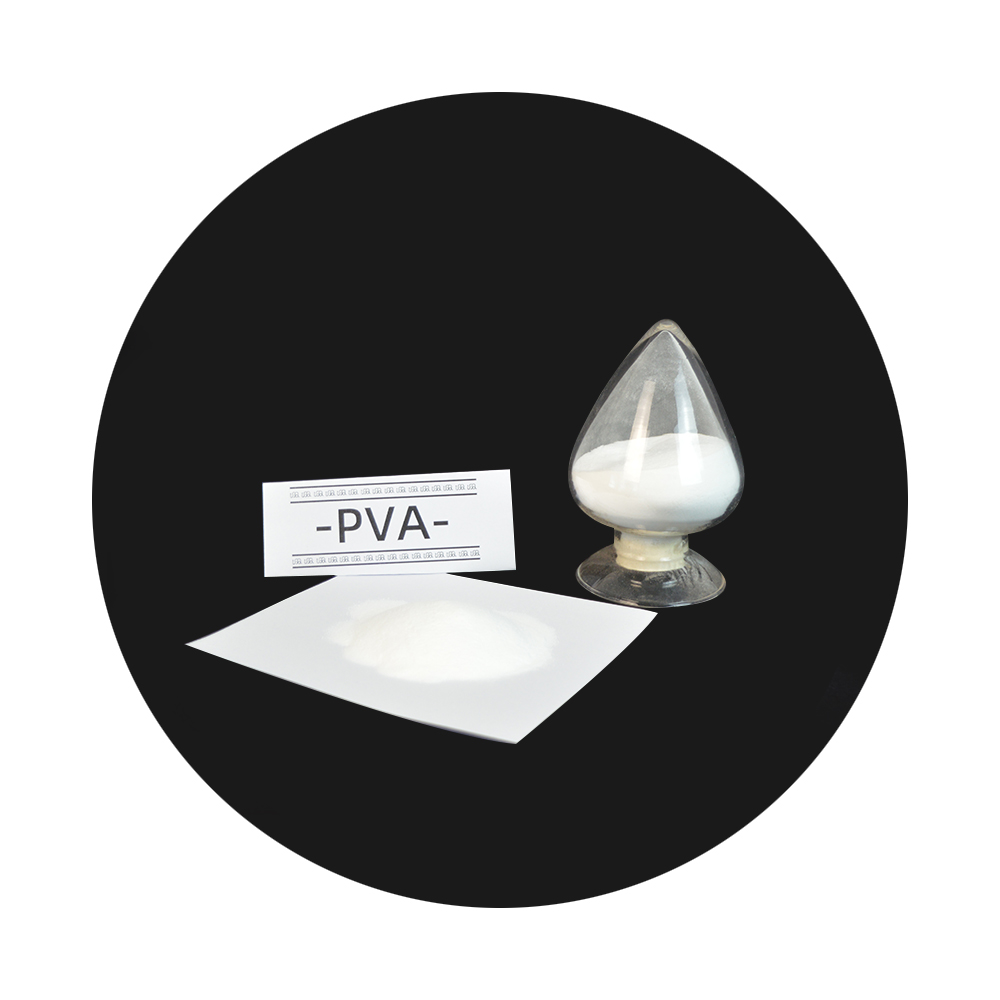
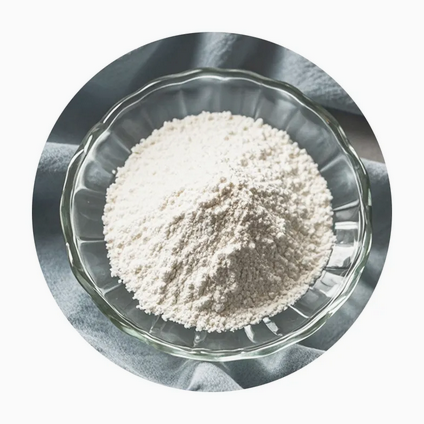
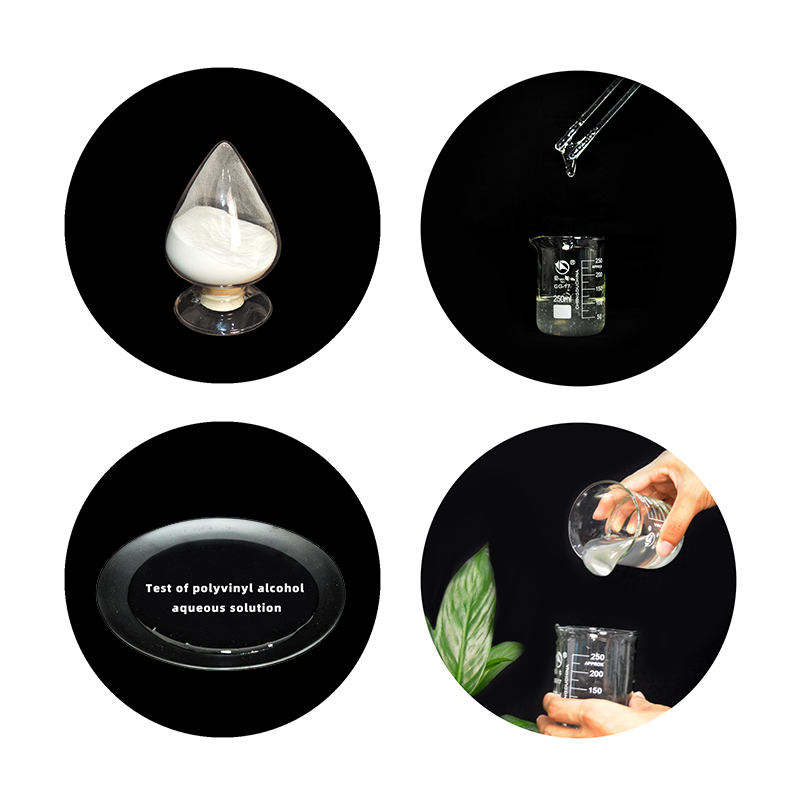
Polyvinyl alcohol (PVA for short), organic compound, white flake, flocculent or powdered solid, non-toxic, tasteless, pollution-free, can be dissolved in 80--90 °C water. Slightly soluble in dimethyl sulfoxide. Its aqueous solution has good adhesion and film-forming properties; It has chemical properties such as esterification, etherification and acetalation of long-chain polyols. It is a water-soluble polymer with a wide range of uses, its performance is between plastic and rubber, and its uses can be divided into fiber and non-fiber two major uses.
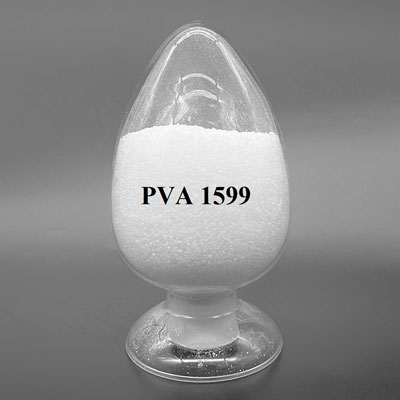
Key Features of PVA1599
1. Superior Film-Forming Ability: Creates strong, flexible films with high transparency and durability.
2. Excellent Adhesion: Provides superior bonding to a wide range of materials, including paper, wood, and textiles.
3. Thermal Stability: Performs reliably under elevated temperatures without compromising structural integrity.
4. Biodegradable: Environmentally friendly, contributing to sustainability in industrial processes.
Applications of PVA1599
1. Water-Soluble Films: Ideal for biodegradable films in detergents, agrochemicals, and medical packaging.
2. Adhesives and Sealants: Commonly used in formulations for industrial and household adhesives, providing strong, reliable bonding.
3. Textile Industry: Used as a warp sizing agent to enhance yarn strength and improve weaving efficiency.
4. Paper Products: Enhances the surface properties of paper, improving strength, gloss, and printability.
5. Construction Materials: Functions as a stabilizer and binder in concrete, mortar, and other building materials.
6. Cosmetics and Personal Care: Utilized in face masks, hair treatments, and skin care products due to its film-forming and moisturizing properties.
7. Agricultural Films: Applied in seed coatings and water-soluble films for controlled-release fertilizers.
Packages:
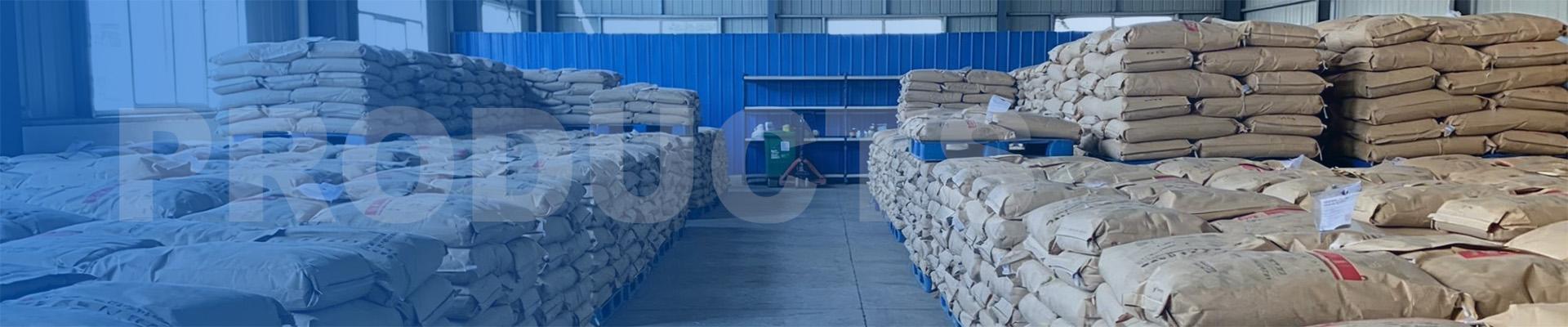
Packages:20 kg/bag,25 kg/bag.
Storage:
In a dry, well-ventilated room, with room temperature around 5-30°C.
Keep away from heat sources, keep away from moisture, and avoid exposure to sunlight.
It is strictly prohibited to store together with volatile chemicals to prevent adsorption and deterioration.
FAQ
What is the use of PVA in paper industry?
Polyvinyl Alcohol is often used as a binder in papermaking. As a result, it greatly improves the strength and durability of the final product. You can easily find the PVA application in the packaging and printing sector due to its versatile.
What are the benefits of PVA?
It provides a boost to your business's cashflow, as you never have to pay upfront to recover the cost later. Avoids the need to pay the admin fee to your freight forwarder for paying the VAT on your behalf. Flexibility - PVA is optional, therefore it is allowed to use it on some imports but not others.
What is the coating on coated paper?
Printed papers commonly have a top coat of a protective polymer to seal the print, provide scuff resistance, and sometimes gloss. Some coatings are processed by UV curing for stability. Most plastic coatings in the packaging industry are polyethylene (LDPE) and to a much lesser degree PET.