
Products Description
PVA for Building Adhesive - Good Solubility & Adhesion
QingQuan Cellulose makes high-quality Polyvinyl Alcohol (PVA) specifically for the construction industry. Our PVA dissolves easily, so it blends right into building adhesive systems. It also sticks well – really well – which is critical for creating strong, lasting bonds on concrete, wood, brick, and other construction surfaces.
General Properties
Chemical Name: Polyvinyl Alcohol
Synonym: PVA
CAS No.: 9002-89-5
Molecular Formula: (C₂H₄O)ₙ
Flash Point: 79°C
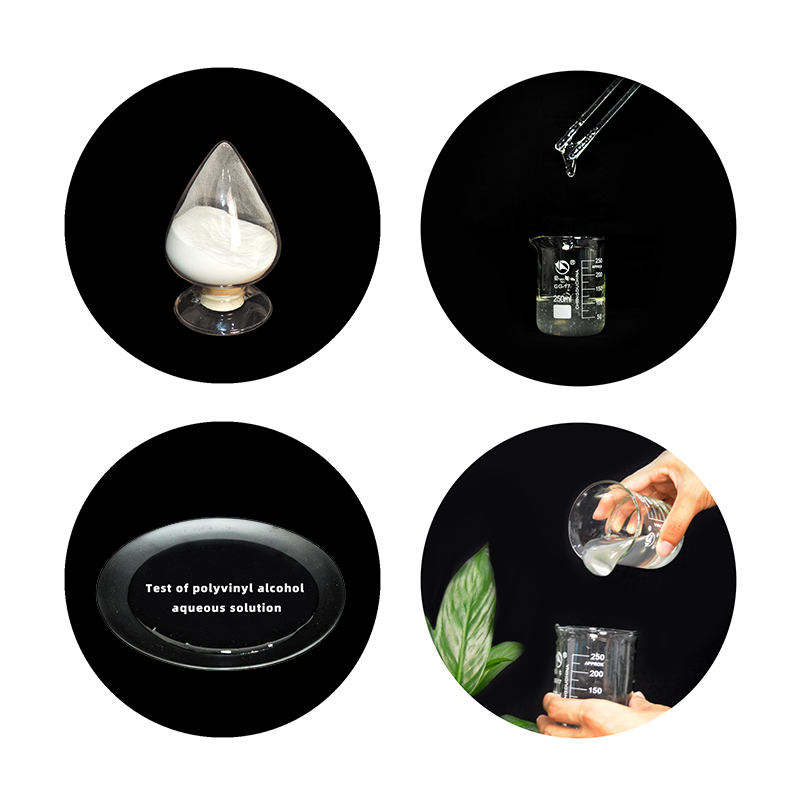
Water Solubility: Soluble in hot water
What is PVA?
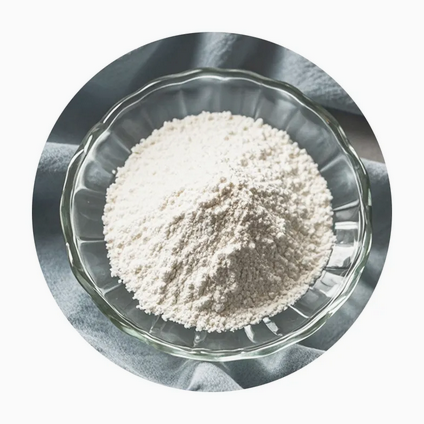
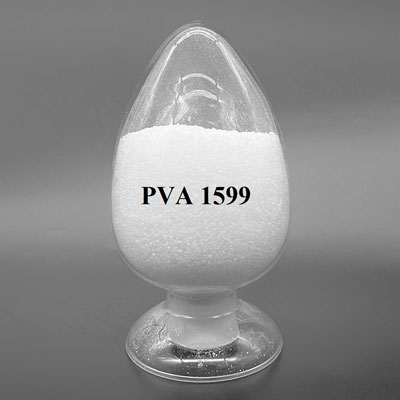
Polyvinyl alcohol (PVA) is an organic compound. It looks like white flakes, fibrous chunks, or a fine powder. It has no smell, no taste, and isn't toxic. You can dissolve it in water heated to 80–90°C. It's slightly soluble in dimethyl sulfoxide. Its water solution has good adhesion and film-forming properties. Chemically, it can undergo esterification, etherification, and acetalization thanks to its long polyol chains. PVA sits somewhere between plastic and rubber in terms of performance. Its uses split into two main categories: fiber and non-fiber.
Technical Data
New Standard Title: 098-20
Old Standard Title: 15-99
Hydrolysis (mol%): 98.0–98.8
Viscosity (mPa·s): 18.0–22.0
Volatile (wt%): ≤5
Ash (wt%): ≤0.5
pH: 5–7
Purity (wt%): ≥93.5
Key Features of PVA1599
Superior Film-Forming Ability – Makes strong, flexible films that are clear and long-lasting.
Excellent Adhesion – Bonds tightly to paper, wood, textiles, and many other materials.
Thermal Stability – Holds up well even at higher temperatures.
Biodegradable – Environmentally friendly and supports sustainable industrial practices.
Applications of PVA1599
Water-Soluble Films – For detergents, agricultural chemicals, and medical packaging.
Adhesives and Sealants – A reliable binder in industrial and household adhesives.
Textile Industry – Works as a warp sizing agent to boost yarn strength and weaving efficiency.
Paper Products – Improves paper strength, gloss, and printability.
Construction Materials – Acts as a stabilizer and binder in concrete, mortar, and other building mixes.
Cosmetics and Personal Care – Added to face masks, hair treatments, and skin care products for film-forming and moisture retention.
Agricultural Films – Used in seed coatings and water-soluble films for controlled-release fertilizers.
Packaging
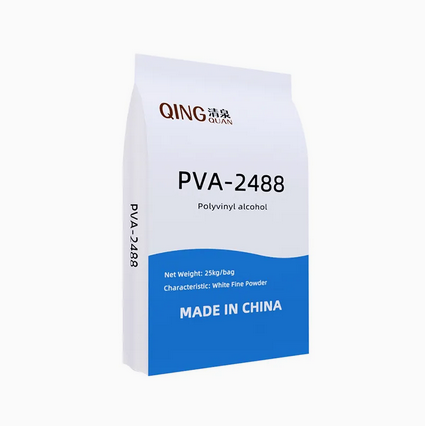
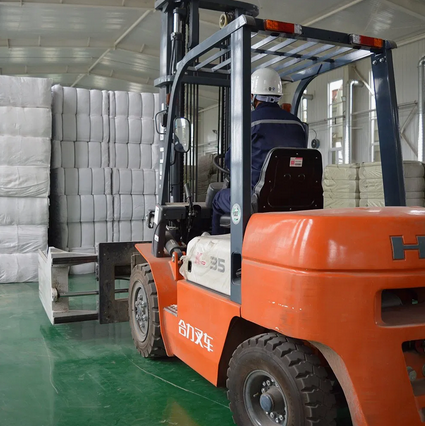
Packages: 20 kg/bag or 25 kg/bag
Storage
Keep in a dry, well‑ventilated room at 5–30°C. Protect from heat, moisture, and direct sunlight. Do not store with volatile chemicals – that can cause adsorption and product damage.
FAQ
What does PVA do in the paper industry?
PVA is often used as a binder in papermaking. It greatly improves the strength and durability of the final paper. That's why you see it in packaging and printing applications.
What are the business benefits of using PVA?
Using PVA can improve your cash flow because you don't have to pay VAT upfront. It also saves you from admin fees that freight forwarders charge for paying VAT on your behalf. Plus, PVA is optional – you can use it on some imports and skip it on others.
What's the coating on coated paper?
Most coated papers have a protective polymer top coat. It seals the print, resists scuffing, and sometimes adds gloss. Some coatings are UV‑cured for extra stability. In packaging, the most common plastic coating is LDPE (low‑density polyethylene). PET is used much less often.