
Views: 0 Author: Site Editor Publish Time: 2025-10-30 Origin: Site


Shijiazhuang Qingquan Cellulose Co., Ltd. is a Chinese manufacturer of HPMC/PVA/CMC/MHEC/HEC thickeners, industrial-grade chemicals PVA, and RDP powder. These products are of excellent quality and reasonably priced, and are widely used as thickeners/water-retaining agents in mortars in construction, enjoying popularity around the world.I. Core Construction Performance Regulators
These admixtures primarily affect the experience of applying putty from mixing to wall application.
1. Water Retention Agent (Cellulose Ethers - HPMC)
Main Component: Hydroxypropyl Methylcellulose (HPMC), one of the most core and commonly used admixtures.
Detailed Explanation of Effects:
Water Retention: This is its most crucial function. HPMC molecules can adsorb and lock in a large amount of free water, forming a hydration film that effectively prevents moisture from being absorbed too quickly by porous substrates (such as aerated concrete blocks) or evaporating prematurely. This provides sufficient time for the gypsum to fully hydrate, a prerequisite for avoiding cracking and powdering due to excessive water loss.
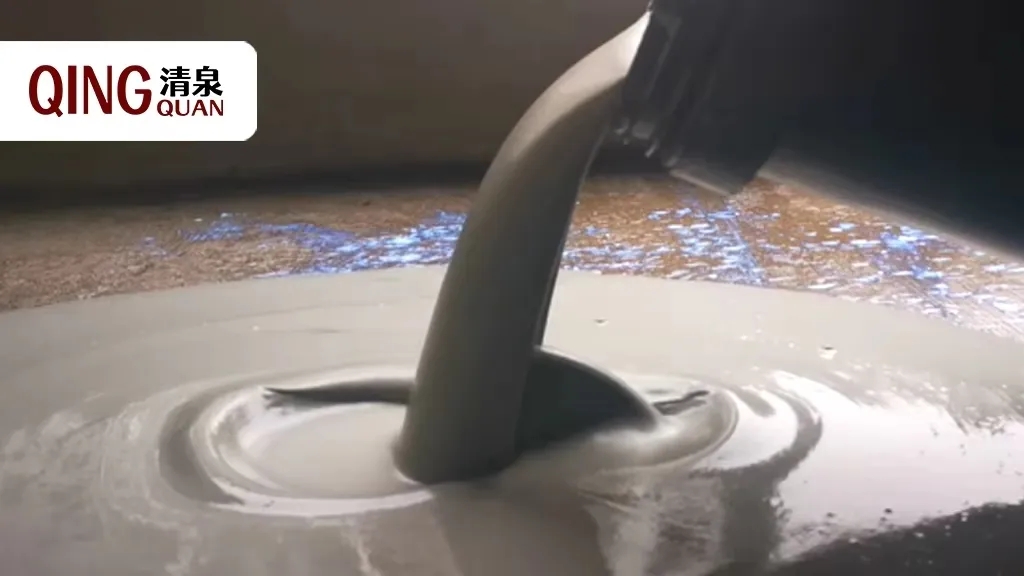
Thickening and Thixotropy: HPMC significantly increases the viscosity of the paste, making it thicker and preventing sagging during application. Simultaneously, it imparts good thixotropy to the putty—it thins when mixed, making it easy to apply; it thickens when still, adhering to the wall surface without sagging.
Lubricity: HPMC molecular chains extend in water, providing lubrication and making putty application smoother and less strenuous, improving the workmanship.
Adhesion Strength: Through water retention, the gypsum is fully hydrated and forms its own film, indirectly improving the cohesion and adhesion strength between the putty and the substrate.
2. Retarder
Main components: Proteins (such as bone glue), citric acid and its salts, polyphosphates, etc.
Detailed explanation of effects:
Extending workable time: The hydration reaction of gypsum (hemihydrate gypsum) is very rapid, which causes the putty to harden quickly, putting great pressure on construction. Retarders adsorb onto the surface of gypsum crystals, delaying the formation and growth of crystal nuclei, thus effectively extending the putty's setting time, making it easier for workers to apply and finish large areas.
Impact on strength: A suitable amount of retarder has little effect on the final strength. However, excessive use will severely hinder the hydration process, leading to a loose crystal structure and significantly reducing the hardened strength of the putty. Therefore, the dosage must be extremely precise.
II. Mechanical and Adhesion Enhancers
These additives primarily improve the mechanical strength and adhesion of the hardened putty to the substrate.
1. Adhesion Enhancer (Polymer Powder)
Main Components:Redispersible latex powder (such as VAE emulsion), polyvinyl alcohol (PVA) powder.
Detailed Explanation of Effects:
Adhesion Strength: This is its core function. Polymer particles form a polymer film within the putty film, penetrating the gypsum crystal network structure, forming a flexible "organic-inorganic" composite network, thereby greatly improving the adhesion strength to the substrate and effectively preventing hollowing and peeling.
Flexibility and Crack Resistance: While inorganic gypsum exhibits certain properties, the polymer film imparts a degree of flexibility. When the substrate experiences minor shrinkage or cracks, the putty layer can dissipate stress through its own deformation, thus inhibiting cracking.
Cohesion: Enhances the cohesive strength of the putty itself, resulting in a denser surface after sanding and reducing the likelihood of powdering.


